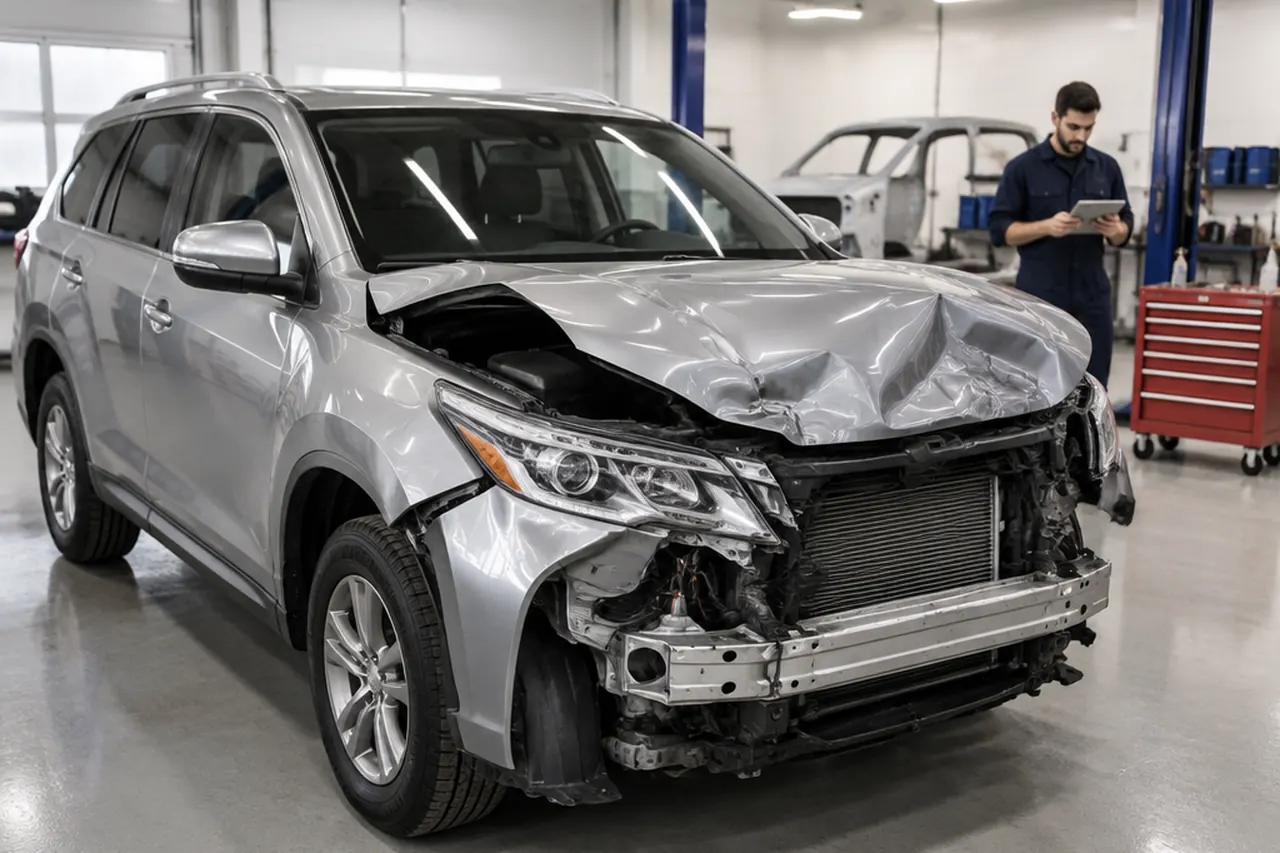
Repair or total loss
The at-fault driver's insurer owes the reasonable cost to repair your car — or, if repairs would cost more than the car is worth, its fair market value right before the crash. You can choose your own repair shop. On a total loss, compare the insurer's valuation to real listings for the same year, make, model, trim and mileage in the Amarillo market; valuations are negotiable.
Rental car and loss of use
You're entitled to be compensated for the loss of use of your car for a reasonable time while it's repaired or replaced — typically shown by a comparable rental. The Texas Supreme Court has held that loss-of-use damages are available even when the vehicle is a total loss. If you have rental coverage on your own policy, you can use it while the other insurer accepts fault.
Diminished value
A car that has been in a significant crash is often worth less after repairs than an identical car that never was — a buyer will see the history. That difference is diminished value.
- Against the at-fault driver's insurer (a third-party claim), diminished value can be recovered in Texas as part of your property damage.
- Against your own insurer under a standard Texas auto policy, the Texas Supreme Court has held diminished value is not covered — so if you use your collision coverage, you'd pursue diminished value from the at-fault driver's side.
Support a diminished value claim with an independent appraisal and the repair records. It matters most on newer and higher-value vehicles.
Personal property
Items damaged in the crash — a phone, a laptop, a car seat — are part of the claim. Child car seats are generally replaced after a moderate or severe crash.
Don't sign away the injury claim
Settling the property damage claim shouldn't release your injury claim. Read anything you're asked to sign; a property-damage release should say it covers property only.
Sources
Statutes are linked to the official Texas Legislature site. Laws change; this page reflects them as of the date above.